A Global First: New Global Standard for Measuring the Performance of Solar Refrigerators
With VeraSol’s support, a new global standard now sets specifications for refrigerators designed for off-grid and unreliable power and how they are tested.
For the first time, a global standard now exists to test domestic and light commercial refrigerators designed to operate in off-grid and weak-grid environments.
The International Electrotechnical Commission (IEC) has published IEC 63437, the first international standard defining test methods for refrigerators designed to operate under off-grid, weak-grid, and unreliable power conditions, including solar-powered systems.
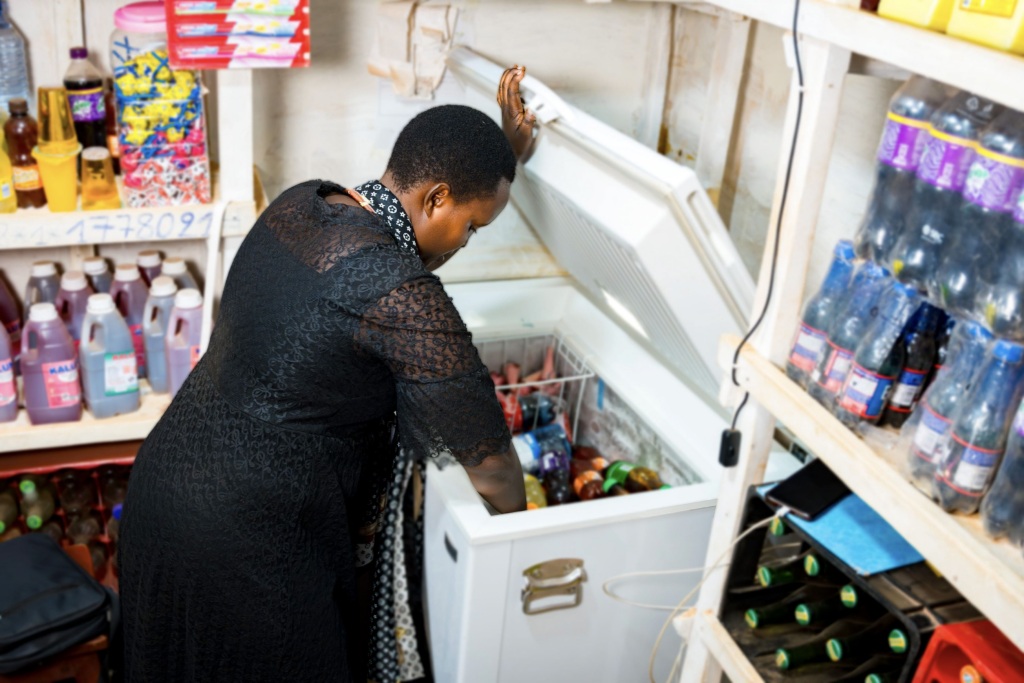
Refrigeration is a critical technology for reducing food loss and supporting livelihoods in energy-constrained settings. According to EforA analysis, 79% of off-grid refrigeration users rely on these appliances for business activities, and access to refrigeration has been associated with a 48% increase in income. As refrigerators increasingly function as income-generating assets rather than household conveniences, the need for credible, standardized test methods becomes more urgent.
Yet until now, these appliances have largely been evaluated using test methods developed for stable grid electricity. IEC 63437 addresses this gap by introducing standardized test conditions that reflect real-world operating environments—such as intermittent supply, voltage fluctuations, and prolonged power outages—faced by millions of people globally.
A Journey to International Standardized Solar Refrigerator Testing
The new standard builds directly on more than a decade of applied testing and market development led by CLASP, beginning with the first Global LEAP Awards competitions for solar and off-grid refrigerators in2016 – 2017. In the absence of formal standards, Global LEAP developed fit-for-purpose test methodologies to evaluate refrigerator performance under realistic power conditions. The VeraSol program later assumed stewardship of these test methods, continually updating and refining them over time. Over successive testing cycles, this work generated a robust evidence base that informed manufacturers, investors, and policymakers—and ultimately laid the technical foundation for international standardization.
“Because there were no established standards or clear test methodologies for solar appliances, especially solar refrigerators, it was difficult to measure and compare product performance in a consistent way,” said Elisa Lai, Director of Clean Energy Access at CLASP. “VeraSol has worked to address this gap by developing standardized approaches that allow performance to be assessed and compared more reliably across products.”
The development of IEC 63437 was initiated by Re/Gent, a Netherlands-based test laboratory, in 2021. As a VeraSol test laboratory partner, Re/Gent developed and validated test procedures for off-grid solar refrigerators, which formed the technical basis for the standard. To ensure the standard reflected the right technical expertise for solar refrigerators, a dedicated working group—IEC TC59M/WG6—was established within the IEC. This group brought together industry experts from 8 countries to provide specialized knowledge and guidance throughout the standard’s development.
“VeraSol has been instrumental in the development of this IEC standard,” said Patrick Beks, Chair of IEC TC59M/WG6 and Director at Re/Gent. “The IEC standard we developed defines specifications and test procedures for refrigerators operating under real-world conditions, such as low-quality electricity grids, including power outages and fluctuating solar input. By addressing these real-world conditions, the test standards can inform improvement in product design, making cooling solutions more reliable for underserved communities around the world. This not only improves food preservation but also creates opportunities for income generation, for example, through selling cold drinks.”
Looking ahead
With IEC 63437 now published, manufacturers, test laboratories, and governments have a shared technical reference for evaluating refrigerator performance in energy-constrained settings. Looking ahead, the test standard provides a robust evidence base to inform public procurement, incentive, and financing programs and policies, helping decision-makers move beyond ad hoc or inconsistent requirements. By grounding policy and investment decisions in realistic, standardized testing, IEC 63437 can support stronger market confidence, guide product improvement, and ensure refrigeration solutions are better aligned with the environments and livelihoods they are intended to serve.